Buyer Beware: These Tech Products Come With Zero Returns
Some tech products can’t be returned once opened or activated. Learn which electronics are final sale, why retailers restrict returns, and how to protect yourself.
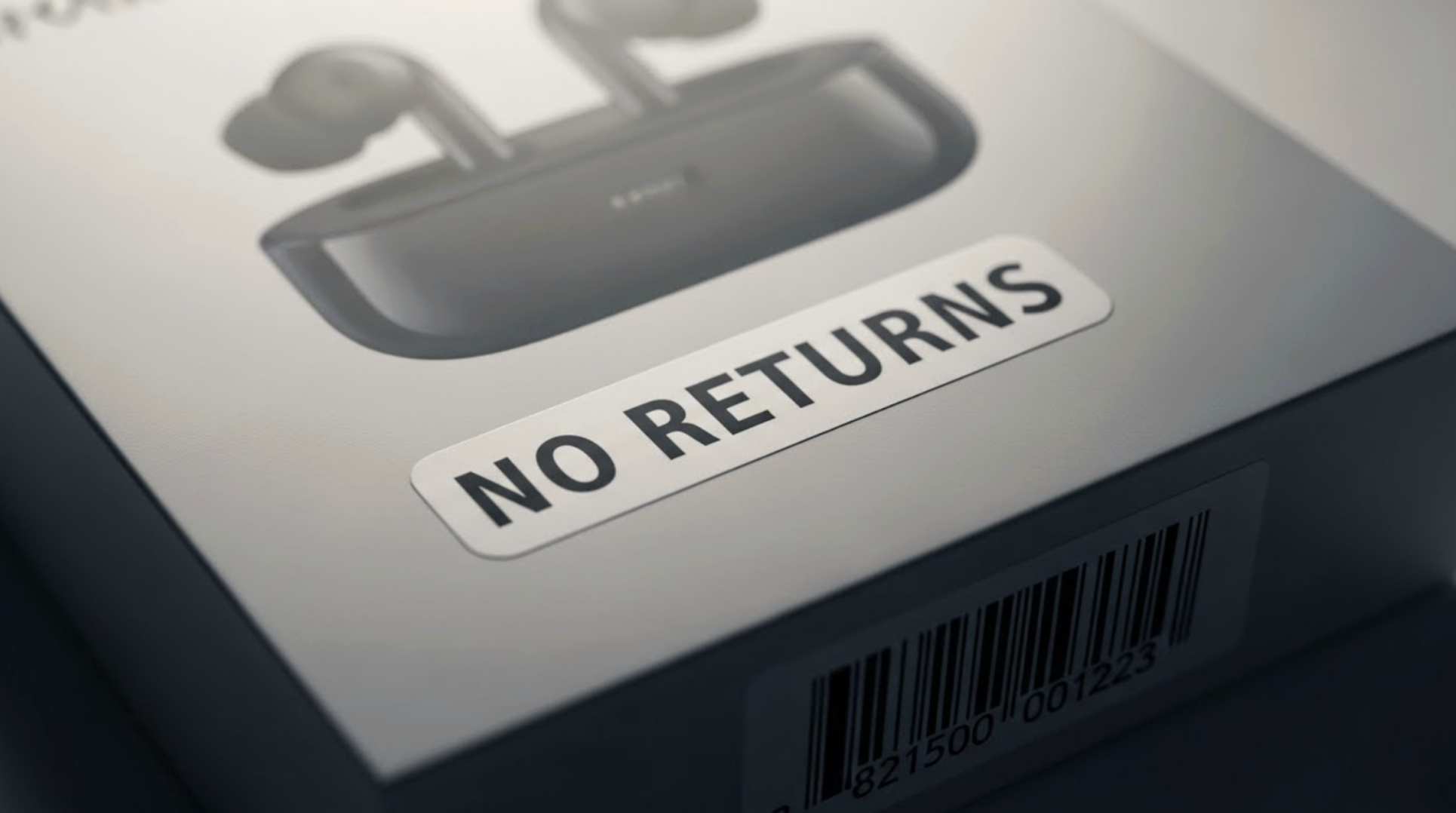

Planning to try out that new tablet over the weekend before deciding if it's a keeper? You might be surprised to learn that some tech products are effectively non-returnable the moment you break the seal. Tight fine print, hygiene rules, and activation locks can all turn a simple return into a frustrating ordeal.
What’s Inside This Guide
- Why some tech is non‑returnable
- Key rules at major retailers (Apple, Best Buy, Walmart)
- General Situations with “no refunds”
- How to protect yourself before buying
- FAQs on headphones, activation, and warranties
Why some tech is non-returnable
Retailers limit returns on certain electronics to protect customer privacy and avoid liability. Devices like phones, laptops, and tablets can retain personal information even after basic resets, and data-bearing products that re-enter the supply chain without proper wiping can expose emails, photos, and financial details. These privacy risks create potential legal exposure under regulations such as GDPR and CCPA, which hold companies accountable for protecting consumer data. Additionally, retailers face practical challenges in verifying that returned electronics have been thoroughly wiped before resale.
Other tech is restricted because it cannot be safely or credibly resold once opened, especially items that touch your body such as in-ear headphones, which many retailers classify under hygiene-sensitive categories. Digital goods and license codes pose a different problem: once a code is revealed or a download starts, the product is effectively "used," so retailers often label these sales as final.
Key rules at major retailers
Large retailers set different return windows for electronics, which is why identical gadgets can have completely different return outcomes. Always check the specific policy before opening anything—especially for third-party marketplace items.
Apple offers a 14-day return window for most products bought from the Apple Store, as long as items are undamaged and returned with all accessories, packaging, and the original receipt. Returns are only accepted in the country of purchase. Electronic software downloads, subscriptions, and Apple Store Gift Cards can't be returned. Physical software with a broken seal is also non-returnable if the license was visible before opening. If security features like activation locks are enabled on a phone and can't be disabled, Apple may refuse the return.
Walmart provides a 90-day return window for most items, but consumer electronics—including PCs, laptops, tablets, e-bikes, and vacuums—drop to just 30 days. Wireless phones have an even shorter 14-day window, and marketplace sellers often impose their own 30-day limits. Before returning devices like phones, tablets, or laptops, you must completely erase all personal data. Items with rechargeable batteries must include the original battery. Non-refundable items include gift cards, prepaid gaming cards, and downloadable software.
Best Buy Best Buy gives standard customers 15 days to return most products, while Plus and Total members get 60 days. The clock starts when you receive the item. Activatable devices like cell phones have a 14-day window (30 days for Verizon), and all returns must be in like-new condition with original packaging– Best Buy can deny returns or deduct fees for damage or missing parts. Items that are damaged, unsanitary, dented, scratched or missing major contents may be denied. Apparel must retain original tags and cannot be worn or laundered. Opened drones, cameras, lenses, and camcorders trigger a 15% restocking fee, while activated devices cost $45 to return. Connected devices must be wiped of personal data and unlinked from all accounts before return. Digital content, codes, prepaid cards, custom orders, personalized orders, Final Sale items, vehicle replacement key fobs, trading cards, and products that interact with bodily fluids are non-returnable once opened or purchased. Additionally, SIM kits, LEGO products, completed services, Marketplace Sellers entertainment products (physical copies of software, movies, music, video games, books), and consumable items like batteries and ink are non-returnable once opened. Hazardous materials and heavy items may require direct manufacturer returns, and items with rechargeable batteries must include the original battery to qualify for return.
General Situations with “no refunds”
Some tech categories are far more likely to hit "no returns" territory once opened, activated, or downloaded.
- Headphones, earbuds, and in-ear audio
Many retailers treat in-ear headphones and earbuds as hygiene-sensitive products and either block returns entirely after opening or restrict them to defective cases only. Even where opened returns are allowed, stores may insist on all original tips, accessories, and packaging, and can deny returns if items show heavy wear. - Software, games, and digital codes
Downloaded software, PC game keys, and digital content purchased online are often labeled non-returnable once the order is placed or the download begins. Gift cards and prepaid gaming or app cards, including many third-party brand cards sold on big marketplaces, are likewise typically marked "final sale." - Activated phones, tablets, and wearables
Phones, cellular tablets, mobile hotspots, and cellular-enabled smartwatches are often treated differently once they have been activated on a carrier network or tied to a line. After activation, retailers may shorten the return window and add restocking fees, and they can refuse a return if device locks or accounts are still attached. - Customized or personalized hardware
Engraved devices and other personalized electronics are commonly excluded from change of mind returns, with policies allowing returns only when the product is defective or damaged. Marketplace sellers on large platforms often emphasize this by listing such items as non-returnable or final sale in their individual store policies.
How to protect yourself before buying
A few quick checks can prevent getting stuck with an expensive gadget you barely use.
- Read the product-specific fine print
Always scan the retailer's official returns page and the product listing for category-specific rules covering electronics, activatable devices, software, and digital content. For Amazon and other marketplaces, confirm whether the item is sold by the platform itself or a third-party seller, since third-party sellers can impose stricter limits than the default policy. - Hunt for exception language and fees
Search the page for words like "non-returnable," "final sale," "must be unopened," and "restocking fee," especially for laptops, cameras, drones, and phones. For anything that connects to a carrier, verify both the return window and any activation-related fees or special conditions before you open the box. - Keep everything and decide fast
Hold onto original boxes, inserts, cables, and manuals, because many electronics returns are rejected if packaging or accessories are missing. Since windows can be as short as 14–15 days on some tech, test your device early and decide quickly whether it's a keeper. - Track policies and deadlines with Refundly
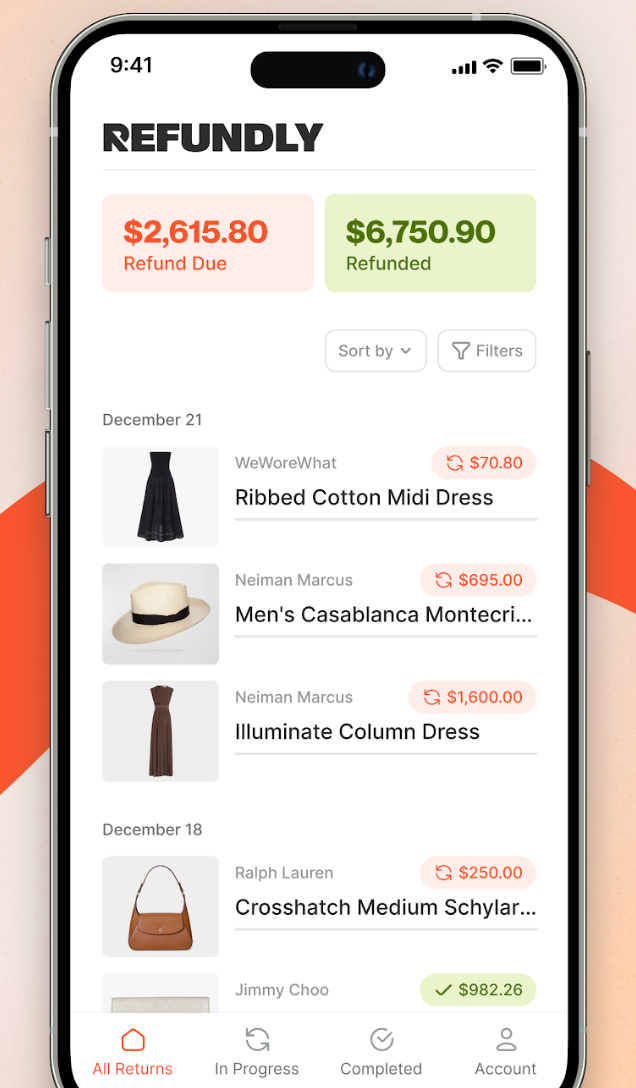
Refundly helps shoppers automatically track returns and refunds so you never miss money you're owed. This is especially helpful for things like electronics, which you may be shipping back and have a tight return window and a long processing time before the refund actually hits your account. Refundly connects securely to your email and bank or credit card accounts through Plaid to track all your returns in one place. It's free in the App Store. Download from the Apple App Store here today!
FAQs: headphones, activation, and warranties
Why can't I return opened headphones?
Many retailers classify in-ear headphones and earbuds under hygiene or personal-use categories, which allows them to block or sharply limit returns once a seal is broken. Even when returns are possible, stores often require like-new condition and all original accessories, and may refuse items that show signs of heavy use.
What counts as "activated"?
For phones, cellular tablets, hotspots, and cellular wearables, "activated" usually means the device has been connected to a carrier network or tied to a plan or line. Once this happens, special rules and restocking fees can apply, and you may need to remove accounts and locks before a retailer will take it back.
Does a warranty mean I can still get a refund?
A manufacturer's warranty generally promises repair or replacement for defects, but it doesn't extend or override the store's return window. After that window closes, you're usually dealing with warranty service, not a simple refund, unless the seller offers an additional satisfaction guarantee.
The bottom line
Understanding return restrictions before you buy helps you make smarter shopping decisions and avoid getting stuck with tech that doesn't fit your needs. The good news? There's a free app out there that can help you track your returns and refunds once you've made the decision to return an item. Refundly helps you make sure that every refund you're owed actually makes it back into your account. Because the last thing you need is to lose money on a return
Note: Retailer policies are subject to change. Always verify current return terms directly with the retailer before making a purchase.
Keep reading

Bath & Body Works Return Guide: What You Can’t Return to Bath & Body Works in 2026
Learn what Bath & Body Works won't accept for returns in 2026, including significantly used items, plus how long refunds take and what to do without a receipt.

Aritzia Return Guide: Everything You Need to Know About the Aritzia Return Policy
Learn how Aritzia returns work, including refund timelines, online vs in-store rules, final sale items, fees, and tips to get your money back faster.